How UK credit scores actually work
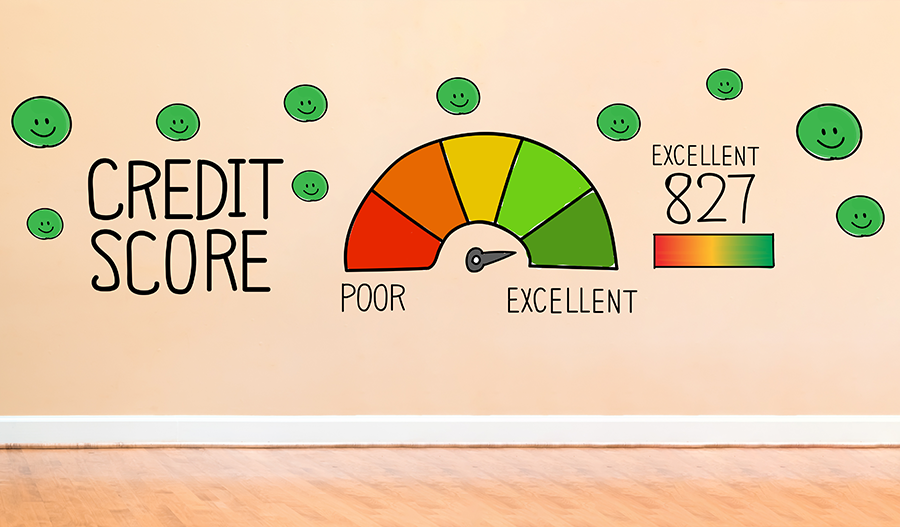
There is no single UK credit score. Three agencies (Experian, Equifax, TransUnion) run separate databases on separate scales. The score in your app is rarely the score that your lender will actually see.
Benefits can count as income with FCA-regulated lenders, although this is rarely the cheapest place to start. This page covers every option open to you, from interest-free DWP advances, credit unions, to your local council's Crisis and Resilience Fund, with a regulated short-term loan only when nothing cheaper fits. Honest and ordered by cost.
Verified reviews from people who have used Swift Money to find a short-term loan.
Very quick and easy to use service. The form was simple, and I received a response almost instantly. Helpful when you need a fast solution.
I found the process easy to follow from start to finish. Communication was clear, and I liked how fast the decision came through. Would consider using again if needed.
Very quick. Only took a couple of minutes to apply and receive a decision. Money hit my account shortly thereafter. Couldn't recommend enough.
If you are searching for a loan because money is tight on benefits, the most useful thing we can tell you is this: there is almost certainly a cheaper route and you may not need to borrow at all. Around £24 billion in UK benefits goes unclaimed every year, councils run cash-first crisis funds you can apply to without paying anything back and the DWP itself offers interest-free advances to most Universal Credit claimants.
We are an FCA-authorised credit broker. We arrange short-term loans when that is the right answer. It often is not, particularly when your only income is benefits. The sections below set out every option in order of cost so you can see at a glance which fits your situation. Where a free or interest-free option is available, we say so, whether you borrow with us or not.
If you are on benefits and need money, these are the routes available, ordered by what they cost you. Start at the top. A regulated short-term loan, plus our own product included.
Around £24 billion in UK benefits goes unclaimed every year. The free, anonymous Turn2us Benefits Calculator takes ten minutes and will show you what you are entitled to. Average users discover an extra £6,622 a year. Doing this before any borrowing decision is the single most valuable step on this page.
The Crisis and Resilience Fund replaced the Household Support Fund on 1 April 2026 and runs to March 2029. Councils administer it on a cash-first basis with their own eligibility rules, often without the need to be on benefits. Crisis Payments cover sudden financial shocks, Housing Payments help with rent. Apply through your local council's website. Scotland, Wales and Northern Ireland run equivalent schemes.
An interest-free loan from the DWP for one-off essential costs. Universal Credit claimants apply for a Budgeting Advance, up to £348 single, £464 couple, £812 with children. Legacy benefit claimants apply for a Budgeting Loan. Repaid through deductions from your benefit over up to 24 months. The cheapest borrowing available to most claimants and the natural first stop if a grant is not appropriate.
Member-owned community lenders, FCA-regulated, with interest legally capped at 42.6% APR (3% per month) in England, Scotland and Wales, and 12.68% APR in Northern Ireland. Most charge well below the cap. Many credit unions specialise in lending to benefit recipients and accept benefit income directly. Membership requires a 'common bond', usually where you live, work or worship. Find one at findyourcreditunion.co.uk.
Where a Budgeting Advance is unavailable or too small, a credit union cannot lend in time and the council fund does not apply, an FCA-regulated short-term loan from a panel like ours can fill the gap. Some lenders accept benefit income, particularly long-term benefits like PIP and DLA, on its own or alongside earnings. Cost is significantly higher: representative APR 79.5% on our panel, with FCA caps protecting the maximum total. The product is suitable for genuine short-lived gaps, not ongoing budget shortfalls.
The order matters. Borrowing through option five when option three or four would have done is paying for convenience with money you do not have. We would rather see you finish at option one or two than apply for a loan with us. If you do reach the bottom of this ladder, our service is here, transparent and FCA-regulated. The cost is shown in full before you sign anything.
If you are on Universal Credit and need money for a one-off essential cost, the Budgeting Advance is almost always the cheapest borrowing available to you. Here is exactly how it works in 2026.
A Budgeting Advance is an interest-free loan from the Department for Work and Pensions for people who already receive Universal Credit. It is added to your next Universal Credit payment and recovered through automatic deductions from later payments.
The maximum you can receive depends on your household. £348 if you are single without children, £464 for a couple without children, £812 if you have children. The minimum is £100. You can ask for any amount in between, and it is genuinely worth borrowing only what you need so the future deductions stay manageable.
The repayment period was extended from 12 months to up to 24 months for advances taken on or after 4 December 2024. That doubled timeframe makes the monthly deduction roughly half what it used to be, materially lighter on a tight budget. Deductions from your standard allowance are also capped at 15% from April 2025, so the DWP cannot take more than that without your consent.
Eligible costs include emergency household expenses (a broken cooker or fridge, essential furniture), work-related costs (tools, uniforms, travel to interviews), housing costs (rent in advance, deposits, moving costs), funeral costs and clothing or footwear for you or your family.
You must have been receiving Universal Credit, or certain legacy benefits, for at least 6 months. The exception is when the money is to help you start or keep a job.
You and your partner must have earned less than £2,600 (£3,600 for couples) in the last six months. Benefit income does not count towards this threshold.
You cannot get a new Budgeting Advance while still repaying an old one. Clear the previous advance first.
If you have over £1,000 in savings, the maximum advance reduces by £1 for every £1 of savings above that threshold.
Add a journal entry on your Universal Credit account, call 0800 328 5644, or speak to your work coach at the Jobcentre. Decisions are usually same-day.
Lender criteria differ. These are the general patterns across UK FCA-authorised lenders in 2026. The card for each benefit shows whether it is typically accepted as income on its own and what additional government support is available.
The UK's main means-tested benefit. Combines six legacy benefits into a single monthly payment. Many lenders accept Universal Credit as income, especially when combined with earnings or another long-term benefit.
Tax-free benefit for people aged 16 to State Pension age with a long-term physical or mental health condition. Replaces the older DLA for working-age adults. In Scotland, called Adult Disability Payment.
The predecessor to PIP, still paid to children under 16 and to adults whose claims pre-date the PIP migration. Ongoing claims are gradually being moved to PIP for working-age adults.
For people who care for a disabled person at least 35 hours a week. Currently £83.30 a week in 2026. Often combined with other benefits including Universal Credit and the carer element.
For people unable to work, or with limited capability for work, due to illness or disability. Two types: contribution-based (linked to NI record) and income-related (means-tested, gradually being replaced by Universal Credit).
For people of State Pension age who need help with personal care due to a physical or mental disability. Tax-free, not means-tested. Two rates depending on the level of help required.
Legacy benefits for working families and those with children. Closed to new claims, with most existing claimants now migrated to Universal Credit. A small number of legacy claims remain.
Paid to anyone responsible for raising a child. Currently £26.05 a week for the eldest or only child and £17.25 for each additional child. Subject to a high income tax charge for higher earners.
Help with rent for people on low incomes. Mostly replaced by the housing element of Universal Credit, but still claimed by some pensioners and people in supported or temporary accommodation.
Short-term benefit for people actively seeking work. New-Style JSA is contribution-based and time-limited to 6 months. Income-based JSA has been replaced by Universal Credit for most claimants.
Means-tested top-up for pensioners on low incomes. Severely under-claimed: 770,000 eligible older people are estimated to miss out, averaging £3,500 a year each. Worth checking even if you do not think you qualify.
Tax-free benefit for people disabled by an accident at work, or by certain prescribed industrial diseases. Long-term, often paid for years or for life.
If you are on benefits and considering borrowing, work through these in order. Most people find a cheaper answer or a free one before they reach the bottom.
Use the free Turn2us Benefits Calculator. It is anonymous, takes ten minutes and 60% of users discover something they were not claiming. Average uplift is over £6,000 a year. Do this before any other step.
If the borrowing is to cover a missed bill, contact the creditor directly. Energy suppliers, landlords, councils and most credit providers can offer payment plans, breathing space or hardship support. Often cheaper than borrowing to pay them.
Search 'Crisis and Resilience Fund' alongside your council name. Successful applications can release funds within 48 hours. Cash-first, grant-based, no repayment. You do not have to be on benefits to apply, just facing a financial shock.
Universal Credit claimants apply through their UC journal or by calling 0800 328 5644. Legacy benefit claimants apply for a Budgeting Loan. Both interest-free, repaid from your benefits over up to 24 months. Decisions are usually same-day.
At findyourcreditunion.co.uk. Most accept benefit income, are capped at 42.6% APR (12.68% in NI) and many can take repayments directly from your benefits, reducing missed-payment risk. A few days from application to approval is typical.
If you are looking at a loan because the maths does not add up month after month, that is a budget problem, not a borrowing one. StepChange, National Debtline and Citizens Advice all offer free, confidential help.
If steps 1 to 6 do not solve your situation and the cost is genuinely affordable on top of essentials, an FCA-regulated short-term loan can fill the gap. Use a soft-search broker like ours so applications do not damage your credit file. Avoid any lender promising guaranteed approval, no credit check or no affordability assessment.
Borrowing on benefits is surrounded by misinformation, some of it from sources that should know better. These six surfaced the most often, so we put them straight.
We offer 6 hubs covering UK credit, debt management, financial difficulty, building a better financial life, your regulatory rights and life events. 42 guides in total, researched against 2026 law and current FCA rules. Updated every 90 days to ensure accuracy.
There is no single UK credit score. Three agencies (Experian, Equifax, TransUnion) run separate databases on separate scales. The score in your app is rarely the score that your lender will actually see.
Priority debts can take your home, your energy supply or your liberty. Non-priority debts can damage your credit file. The order you pay matters enormously when money is tight: ignoring a priority debt has worse consequences than missing a credit card payment.
Half of UK adults have experienced problem debt. 44% told no-one. The signs build over a period of months: minimum payments, missed direct debits & borrowing for essentials. Spotting them early changes everything.
Improving a UK credit score is rarely about doing one big thing. This guide sets out a realistic 12-month framework, the actions that produce results within weeks and the popular pieces of advice that make almost no difference at all.
A regulated firm can be ordered to refund interest, remove default markers from your credit file and pay compensation, without you ever attending a courtroom. The mechanism is the FCA rulebook every authorised firm must follow.
Approval rates for well-prepared self-employed applicants are no different from employed applicants with comparable income. The difference is documentation. SA302s, Tax Year Overviews, business bank statements and Open Banking together give the lender what they need.
The questions UK borrowers ask most often when their income includes benefits.
Yes, but the cheapest option is usually a Universal Credit Budgeting Advance from the DWP, which is interest-free. If that does not fit your situation, some FCA-regulated lenders will consider Universal Credit as income, particularly when it is combined with other earnings or a long-term benefit such as PIP.
Approval depends on affordability after essentials, not on credit score alone. Smaller amounts and shorter terms are most likely to be approved.
Lenders most commonly accept Universal Credit, Personal Independence Payment, Disability Living Allowance, Attendance Allowance, Carer's Allowance, Industrial Injuries Disablement Benefit, Working Tax Credit, Child Tax Credit and Child Benefit. Long-term benefits such as PIP and DLA tend to be viewed most favourably because they are paid for extended periods.
Housing Benefit, Income Support, Jobseeker's Allowance and Pension Credit are less commonly accepted as standalone income. See the benefit-by-benefit cards above for details on each.
A Budgeting Advance is an interest-free loan from the DWP for people on Universal Credit who need help with a one-off essential cost. The maximum is £348 if you are single without children, £464 for a couple without children, and £812 if you have children. Repayments are taken automatically from your future Universal Credit payments over up to 24 months for advances taken on or after 4 December 2024.
To apply, log in to your Universal Credit account, add a journal entry, or call the Universal Credit helpline on 0800 328 5644. Decisions are usually same-day. Funds typically arrive within three working days.
Yes. Personal Independence Payment is one of the benefits lenders most often treat as income, because it is a long-term tax-free payment for people with a qualifying physical or mental health condition. Some specialist lenders and most credit unions will consider PIP as income on its own.
Note that PIP itself is not a loan, despite some search results suggesting otherwise. There is no such thing as a 'PIP loan from DWP'. The DWP loan available to PIP recipients is a Budgeting Advance, only if you also receive Universal Credit.
The Crisis and Resilience Fund replaced the Household Support Fund on 1 April 2026 and runs until 31 March 2029. It is a £1 billion multi-year fund administered by local councils in England and is offered on a cash-first basis. It provides Crisis Payments for households facing a sudden financial shock, and Housing Payments for rent-related costs.
Apply through your local council. You do not have to be on benefits to be eligible. Scotland, Wales and Northern Ireland operate their own equivalent schemes.
Almost always. Credit union interest is capped by law at 42.6% APR (3% per month) in England, Scotland and Wales, and 12.68% APR in Northern Ireland. Most charge significantly less than the maximum.
Compared to a typical payday loan APR, often above 1000%, a credit union loan can cost a fraction of the total. The trade-off is that you usually need to be a member through a 'common bond' such as where you live, where you work or your trade union, and approval can take a few days rather than the same hour.
A loan from a regulated lender is treated as borrowing, not income, and so does not normally reduce means-tested benefits while it sits in your account. Government Budgeting Advances and Budgeting Loans are repaid through deductions from your benefit payments, which reduces the amount you receive each month while the advance is being paid back.
If your savings exceed £6,000, this can reduce means-tested benefits, so do not borrow and stockpile. Always tell the DWP if your circumstances change. If you are unsure, free advice is available from Citizens Advice.
If a lender declines you, do not apply repeatedly to other lenders in quick succession. Each hard search can lower your credit score temporarily. Use a soft-search eligibility checker, like ours, to see which lenders are most likely to consider you without affecting your file. Consider whether a smaller amount or shorter term is more likely to be approved.
Most importantly, check whether one of the cheaper non-loan options on this page would solve the problem instead, particularly a Budgeting Advance, your local council's Crisis and Resilience Fund or a credit union. Free help from StepChange, National Debtline and MoneyHelper can help you plan.
Most people who arrive at this page do not need a loan once they know what is freely available. These are the services to use first, all UK, all free.
Free, anonymous, takes ten minutes. 60% of users discover something they were not claiming. Average uplift is over £6,000 a year. £24bn in UK benefits goes unclaimed annually.
Replaced the Household Support Fund on 1 April 2026. Cash-first grants for households facing financial shock. You do not have to be on benefits. Apply through your local council.
Interest-free loan from the DWP for one-off essential costs. Up to £348 single, £464 couple, £812 with children. Apply via your UC journal or call 0800 328 5644.
Community-owned lenders, FCA-regulated, capped at 42.6% APR (12.68% in NI). Many accept benefit income and take repayments directly from your benefits. Search by postcode.
Government-backed free money and pensions guidance. Budget calculators, borrowing comparisons, benefit explainers, specialists by phone or online chat.
Free, confidential advice on debt, benefits, consumer rights and dealing with creditors. Often best for navigating benefit appeals or applying to the Crisis and Resilience Fund.
Free expert debt advice, managed repayment plans and insolvency support. Helps over 600,000 people a year. Free Money Health Check tool gives a tailored next step.
Free debt advice by phone, webchat and self-help tools. Run by the Money Advice Trust, specialising in personal debt. Particularly strong on priority debts and arrears.
Soft search, no obligation & no credit impact. If a cheaper option fits your situation better, we will say so.
Apply Now