How UK credit scores actually work
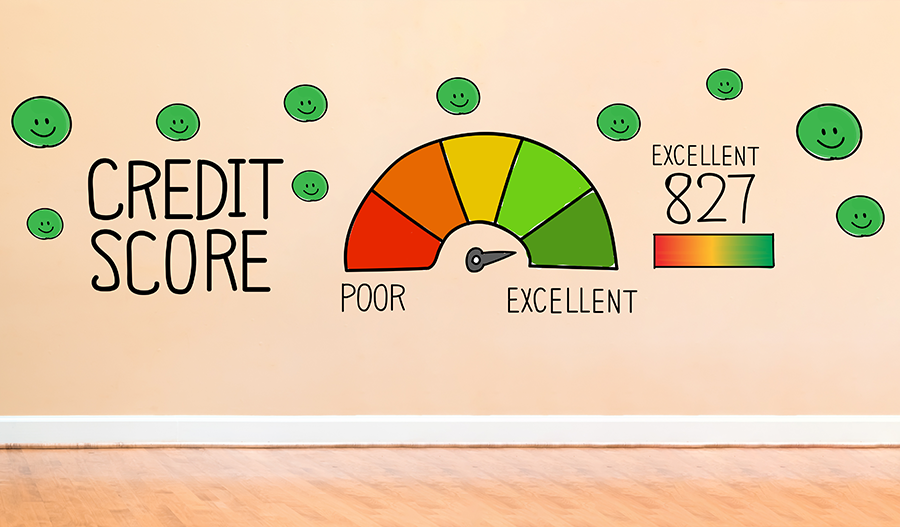
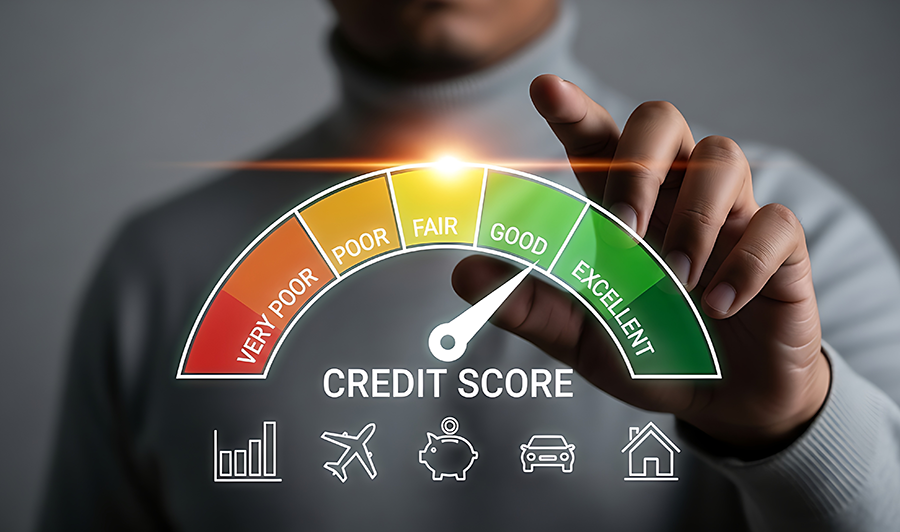
There is no single UK credit score. Three agencies (Experian, Equifax, TransUnion) run separate databases on separate scales. The score in your app is rarely the score that your lender will actually see.

A short-term loan gives you flexibility the old payday model never did. Borrow from £100 to £3,000 over 3 to 24 months in fixed monthly instalments. The term you choose shapes both your monthly payment and the total cost of the loan. This page helps you to make the right decision.
Verified reviews from people who have used Swift Money to find a short-term loan.
Very quick and easy to use service. The form was simple, and I received a response almost instantly. Helpful when you need a fast solution.
I found the process easy to follow from start to finish. Communication was clear, and I liked how fast the decision came through. Would consider using again if needed.
Very quick. Only took a couple of minutes to apply and receive a decision. Money hit my account shortly thereafter. Couldn't recommend enough.
Most borrowers focus on how much they need. The bigger decision is how long you take to repay it. Pick a term that is too short and the monthly payment stretches your budget. You risk falling behind. Pick a term that is too long, you pay significantly more in total interest.
This page walks you through the trade-off in real numbers. By the end you'll know exactly how to pick a term that fits your situation.
The same £1,000 loan repaid over different terms. See how your monthly payment falls as the term extends, how much more interest you pay in total as a consequence.
Understanding why short and long terms behave so differently, so you can make an informed choice.
A short term front-loads the cost into a few large monthly payments. The lender earns less interest overall because your balance reduces faster. You come out of the loan quicker.
A longer term spreads the cost into smaller, more manageable monthly amounts. Because your balance reduces more slowly, the lender earns more interest over the life of the loan.
General guidance for different borrower situations. Your own circumstances should guide the final choice.
A bill due before payday, an expense you know you can clear from your next one or two paycheques. The total interest is the lowest here. Use this term when the repayment fits comfortably in a single paycheque or two, without trade-offs.
Larger one-off costs like a major car repair, essential white goods or urgent dental work. A repayment period that gives your budget breathing room without dragging the loan on. This is where most borrowers land for typical unexpected expenses.
A larger amount, a situation where affordability is genuinely tight or where you want maximum budget flexibility. Accept that you pay significantly more in total interest. Choose this when a shorter term simply isn't realistic for your monthly income.
If any of these apply to the term you're considering, stop and rethink before you sign.
A rough rule used by many affordability assessments. If the proposed monthly loan payment exceeds a fifth of your monthly income after tax, the term is too short. Either reduce the amount or extend the term, but do not proceed with a payment you will struggle to meet.
If a short-term affordability check fails, the answer is not always a longer term. It may be that the loan isn't right for you at all. Consider whether free help from StepChange or MoneyHelper is the better route.
On a typical short-term loan, interest above 50% of the principal means the term is stretching too far. For urgent costs, a shorter term saves real money. For recurring shortfalls, no loan term is the right answer.
If your car MOT is due in 8 months or your holiday is booked in 10, a 12-month loan will clash with those costs. Map out foreseeable expenses before picking your term. A term that fits your real future, not just your current month, matters.
If you're self-employed, on variable-hours contracts or commission-based, a short term means any bad month risks a missed payment. Build in some safety margin. Pick a slightly longer term than the minimum you could theoretically afford on a great month.
Borrowing £3,000 over 24 months because that feels "normal", when you could comfortably repay over 12 and save hundreds in interest. The right term follows your actual cash flow. Not what intuitively feels right.
Scroll back to the top, move the term slider and watch the monthly payment and total cost update in real time. Find your sweet spot.
Back to calculatorWe offer 6 hubs covering UK credit, debt management, financial difficulty, building a better financial life, your regulatory rights and life events. 42 guides in total, researched against 2026 law and current FCA rules. Updated every 90 days to ensure accuracy.
There is no single UK credit score. Three agencies (Experian, Equifax, TransUnion) run separate databases on separate scales. The score in your app is rarely the score that your lender will actually see.

Priority debts can take your home, your energy supply or your liberty. Non-priority debts can damage your credit file. The order you pay matters enormously when money is tight: ignoring a priority debt has worse consequences than missing a credit card payment.
Half of UK adults have experienced problem debt. 44% told no-one. The signs build over a period of months: minimum payments, missed direct debits & borrowing for essentials. Spotting them early changes everything.
Improving a UK credit score is rarely about doing one big thing. This guide sets out a realistic 12-month framework, the actions that produce results within weeks and the popular pieces of advice that make almost no difference at all.
A regulated firm can be ordered to refund interest, remove default markers from your credit file and pay compensation, without you ever attending a courtroom. The mechanism is the FCA rulebook every authorised firm must follow.
Approval rates for well-prepared self-employed applicants are no different from employed applicants with comparable income. The difference is documentation. SA302s, Tax Year Overviews, business bank statements and Open Banking together give the lender what they need.
Specific questions about choosing and using a short-term loan in the UK.
Pick the shortest term whose monthly repayment you can comfortably afford alongside your other outgoings. A shorter term means higher monthly payments but lower total interest. A longer term reduces the monthly amount but increases the total you repay overall.
A good rule of thumb is that the monthly repayment should not exceed 20% of your monthly take-home pay. If it does, either reduce the amount or extend the term, but do not sign up for a payment that leaves no headroom in your budget.
A payday loan is a type of short-term loan, typically for smaller amounts of £100 to £1,000 over 3 to 12 months. A short-term loan covers a broader product range, at Swift Money going to £3,000 and up to a period of 24 months. Both are repaid in monthly instalments, both fall under the same FCA regulation and both are subject to the same price cap where applicable.
In practical terms, if you need a smaller amount over a shorter period, look at our payday loans page. For larger amounts or longer terms, the short-term loan range starts at £100 but typically makes more sense from around £500 upwards.
No. A longer term means lower monthly payments but more total interest. A £1,000 loan over 3 months costs about £102 in total interest. The same loan over 24 months costs about £739. That's seven times more interest for taking seven times longer to repay.
Always look at the total repayable figure alongside the monthly payment when comparing terms. The cheapest loan overall is usually the shortest one you can reasonably afford.
Yes. Under the Consumer Credit Act 1974 you have a legal right to settle any loan early, either in part or in full, at any time. Most lenders on our panel do not charge early repayment fees for short-term loans.
You only pay interest for the days you actually held the money. Contact your lender to request a settlement figure before making a partial or final repayment so you pay exactly the right amount.
Our representative APR is 79.5% variable, with individual lender rates ranging from 48.1% to a maximum of 1721% APR. The rate you are actually offered depends on your credit profile, affordability and the specific lender matching your application.
Representative APR is the rate offered to at least 51% of successful applicants. Your personal rate may be higher or lower, which is why the specific offer you receive from a lender is the one that matters, not the headline number.
Applying through Swift Money uses a soft search. Soft searches do not affect your credit score and are not visible to other lenders. You can check your eligibility without any credit consequences.
A hard credit search takes place only if you choose to proceed with a specific lender's offer. Hard searches are visible to other lenders for up to 12 months. Repaying on time contributes positively to your credit history over time.
Changing the term of a live loan is possible with some lenders but not all. You may be able to extend the term if your circumstances change, though this will typically increase the total interest you pay. Shortening the term is usually done through making additional repayments, which reduces the balance faster without formally changing the agreement.
If you expect your income to change significantly in the near future, discuss this with your lender before signing up. Pick a term that works for your realistic worst-case monthly budget.
Swift Money arranges short-term loans up to 24 months. For longer terms, consider a mainstream personal loan from a high-street bank or building society. Rates are usually substantially lower on longer-term personal loans because the lender's risk is different.
If your credit history limits mainstream options, a credit union is often the best alternative for longer-term borrowing at fair rates.
If you have any doubt about whether a loan is the right answer, free impartial help is available across the UK. No obligation, no sales and no cost.
Government-backed free money and pensions guidance. Budget calculators, borrowing comparisons and specialists available by phone or webchat.
Free expert debt advice and managed repayment plans. Helping over 600,000 people a year with confidential, non-judgmental support.
Community-owned lenders offering small loans at fair rates, typically under 42.6% APR. A credit union loan is often much cheaper than a short-term loan for the same amount.
A soft search along with no obligation. You're always in control.
Apply Now