How UK credit scores actually work
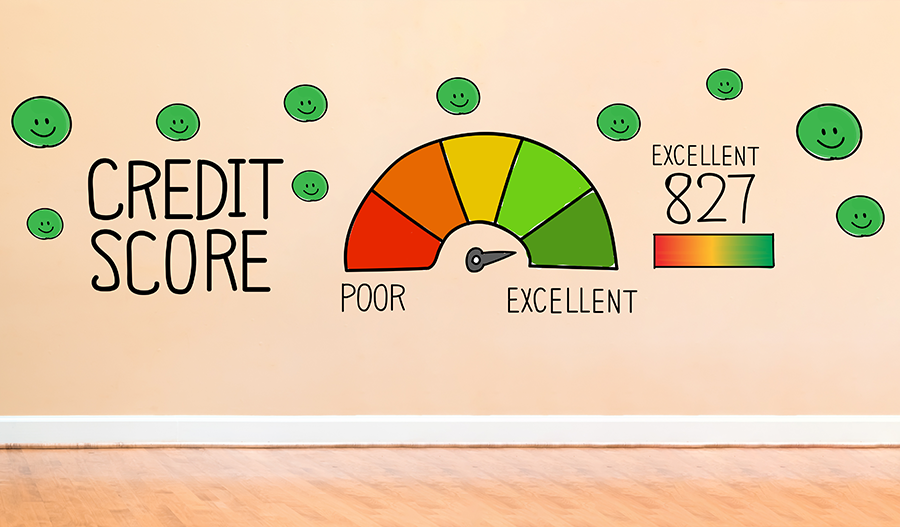
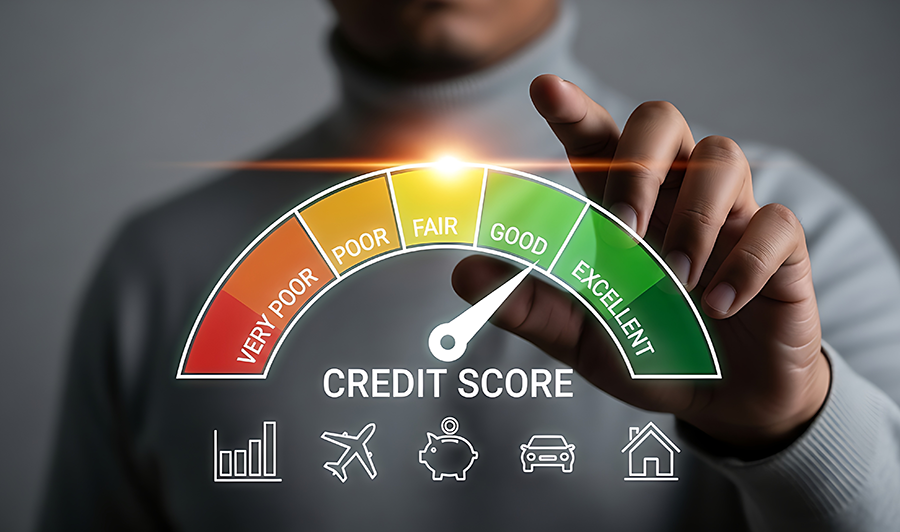
There is no single UK credit score. Three agencies (Experian, Equifax, TransUnion) run separate databases on separate scales. The score in your app is rarely the score that your lender will actually see.

A low credit score doesn't automatically mean rejection. FCA-regulated lenders are required to assess affordability based on your current financial reality, not just historic credit data. This page breaks down exactly what lenders examine, how Open Banking has changed the game and how you can improve your position whether or not you borrow today.
Verified reviews from people who have used Swift Money to find a short-term loan.
Very quick and easy to use service. The form was simple, and I received a response almost instantly. Helpful when you need a fast solution.
I found the process easy to follow from start to finish. Communication was clear, and I liked how fast the decision came through. Would consider using again if needed.
Very quick. Only took a couple of minutes to apply and receive a decision. Money hit my account shortly thereafter. Couldn't recommend enough.
Your credit file is a summary of past behaviour. What happened, when and whether it was resolved. It is important. It is not everything.
Modern FCA-regulated lenders, particularly those who specialise in helping applicants with adverse credit, combine credit file data with current affordability evidence, employment stability, account conduct and Open Banking snapshots of your real financial life today. This page explains exactly what they look at, how the picture can differ from your score alone and practical steps you can take to improve your position.
A responsible assessment goes beyond the credit score. FCA Consumer Duty rules require lenders to assess real affordability, not just tick boxes. Here is what that means in practice.
How much you actually earn each month, how reliable it is and how long you have been earning it. Employment is typically verified through a payslip, bank statement or Open Banking snapshot. Self-employment is often verified through tax returns or multi-month bank transaction history.
Rent or mortgage, utility bills, food, transport, existing credit commitments. The gap between your income and essentials is your disposable income. A loan payment has to fit inside that gap with a reasonable safety margin.
Whether you have missed any payments in the last 3 to 12 months matters far more than older problems. Clean recent conduct, even following an older default, signals recovery. A lender can see this even when the overall score is still low.
How long you have lived at your current address, how long you have been with your current employer. Stability reduces risk from a lender's perspective, regardless of credit score. Six months is usually the minimum expected, 12+ months is better.
A default from 4 years ago carries much less weight than one from last month. Lenders give substantial weight to recovery time. An old CCJ that has been fully settled matters less than a small recent missed payment on a credit card.
A £3,000 loan that eats half your disposable income is risky. The same income supporting a £300 loan is safe. Lenders often approve smaller amounts for applicants they would decline for larger ones. Asking for less can change the answer.
Open Banking lets an applicant prove current affordability directly, even when their credit history shows older problems. It has transformed lending decisions for people recovering from adverse credit.
Open Banking is a UK banking framework that lets a regulated third party see your recent bank transactions with your express permission. Launched in 2018 under the Competition and Markets Authority's reforms, it has matured into the standard tool for affordability assessment in 2026.
When a lender asks to use Open Banking, you are redirected to your bank's own secure login. You approve which data the lender can see, typically the last 12 months of transactions on a chosen account. The lender sees the data for a fixed period then loses access.
For applicants with adverse credit, this is genuinely powerful. Your credit file might show a default from two years ago. Your Open Banking snapshot shows a consistent salary, regular rent paid on time, no gambling and no payday-loan rollover patterns. A lender can see the recovery in real transactional evidence.
Open Banking is regulated, consent-based and revocable. You are always in control of what you share and for how long. It is secure by design and actively protects you from sharing more than you intend.
Every Open Banking request requires your active permission, granted through your own bank's secure login.
The lender can see your transactions. They cannot move money, change anything or see other accounts.
Access automatically expires. Lenders typically request 90 days of data and access is revoked after assessment.
You can withdraw consent any time through your bank's app or the lender's interface.
Only firms authorised by the FCA can provide Open Banking services. Every data transfer follows strict encryption standards.
The jargon on your credit file matters. Each marker carries different weight, has a different effect on future borrowing and stays on your file for a set period.
A court order confirming you owe a debt and must repay it. Recorded if a creditor successfully sues you for an unpaid debt and you don't defend or settle within 30 days.
Recorded when a lender decides you have seriously breached a credit agreement, typically after 3 to 6 missed monthly payments. The account is closed, the debt is transferred to collections.
A formal agreement with creditors to repay what you can afford over a fixed period, usually five or six years. Administered by an Insolvency Practitioner. Legally binding on both you and your creditors.
An informal agreement to repay debts at a reduced rate, arranged through a free service like StepChange or through a commercial provider. Not legally binding. Individual accounts usually show as defaulted during the plan.
A formal legal solution for low-income individuals with limited assets. Debts totalling up to £50,000 can be written off after 12 months if your situation has not improved. Only available through approved debt advisers.
A formal legal process where debts are written off but your assets may be sold to partially repay creditors. Typically applied for when other options are not viable. Discharge usually 12 months after the bankruptcy order.
Whether or not you borrow today, these actions measurably improve your credit file and your chances of better terms in future. Start today.
Get a copy from Experian, Equifax and TransUnion. By law each must provide a free statutory report. Read it line by line.
Incorrect addresses, closed accounts still showing open, payments marked late that weren't. Credit bureaus must investigate and respond within 28 days. Roughly 1 in 10 UK credit files contain an error.
Lenders use it to verify your address. Being registered to vote at your current address can add 50+ points to your score overnight. Register free at gov.uk/register-to-vote.
If you rent, sign up to Experian's Rental Exchange. Your on-time rent payments count towards your credit history. Free for tenants.
Utilities, phone, council tax and streaming services. Every on-time payment recorded on your file is a positive data point. Set up auto-pay for everything you can, even by a few days before the due date.
Specialist credit-building cards or accounts reported to the credit bureaus build positive history when used responsibly. Only use if you can pay the balance in full every month.
If you have any credit cards, aim to use under 30% of the limit. Below 10% is ideal. Even if you pay in full every month, the balance on your statement date is what gets reported.
Older markers weigh less than recent ones. A default from 4 years ago affects you far less than one from 4 months ago. Every month of clean behaviour improves your position.
Bad-credit borrowing is surrounded by misinformation. These six surfaced the most often, so we put them straight.
We offer 6 hubs covering UK credit, debt management, financial difficulty, building a better financial life, your regulatory rights and life events. 42 guides in total, researched against 2026 law and current FCA rules. Updated every 90 days to ensure accuracy.
There is no single UK credit score. Three agencies (Experian, Equifax, TransUnion) run separate databases on separate scales. The score in your app is rarely the score that your lender will actually see.

Priority debts can take your home, your energy supply or your liberty. Non-priority debts can damage your credit file. The order you pay matters enormously when money is tight: ignoring a priority debt has worse consequences than missing a credit card payment.
Half of UK adults have experienced problem debt. 44% told no-one. The signs build over a period of months: minimum payments, missed direct debits & borrowing for essentials. Spotting them early changes everything.
Improving a UK credit score is rarely about doing one big thing. This guide sets out a realistic 12-month framework, the actions that produce results within weeks and the popular pieces of advice that make almost no difference at all.
A regulated firm can be ordered to refund interest, remove default markers from your credit file and pay compensation, without you ever attending a courtroom. The mechanism is the FCA rulebook every authorised firm must follow.
Approval rates for well-prepared self-employed applicants are no different from employed applicants with comparable income. The difference is documentation. SA302s, Tax Year Overviews, business bank statements and Open Banking together give the lender what they need.
Specific questions about borrowing in the UK with adverse credit.
Yes. Many FCA-regulated lenders specialise in applicants with adverse credit histories. Under FCA rules, every lender must assess affordability alongside credit history. A poor credit score alone does not mean automatic rejection, but the loan must still be clearly affordable.
Approval is more likely for smaller amounts, shorter terms and applicants who can demonstrate current income stability through Open Banking or similar evidence.
Six main factors: current income, regular outgoings, recent conduct on existing accounts, stability indicators like employment and address history, the age of any adverse markers and the fit between loan amount and your overall affordability.
A fair broker panel, like ours, shares all of this with specialist lenders rather than relying on the credit score alone. See our factors section above for a detailed breakdown.
Open Banking is a secure system that lets a lender see your recent bank transactions with your permission. For applicants with adverse credit, it proves current affordability directly from your transaction history, which can sometimes offset historical credit problems.
It is regulated by the FCA, time-limited, revocable at any time and read-only. You control what you share and for how long. A typical lender will request access to 90 days of transactions on your main current account.
Most adverse markers stay on your credit file for six years from the date they first appeared, regardless of whether you have since repaid the debt. CCJs, defaults, IVAs, bankruptcies and Debt Relief Orders all follow this six-year rule.
Debt Management Plans are different. Each account within a DMP ages from its original default date, not from the DMP completion. In practice this means DMPs may affect your file for longer than the plan itself lasted.
No. Every FCA-regulated lender in the UK must assess creditworthiness before approving a loan. Any advert offering guaranteed approval or no credit check is either unregulated (illegal) or uses a soft search that feels invisible to the applicant.
Always verify a lender on the FCA Register before proceeding. Unauthorised lenders operate outside consumer protections, often charge illegal rates and may use harassment-style collection methods.
Multiple hard searches within a short window can affect your score temporarily. Lenders may view it as a sign of financial stress. This is why soft-search eligibility checks, like ours, are valuable, they show which lenders might approve you without any credit impact.
If you do need to make multiple applications, space them out or compare through a soft-search broker first. Only proceed with a hard search when you're confident the application will succeed.
Yes, often significantly. Making every repayment on time on a regulated loan is reported to the credit bureaus as a positive data point. Over the life of the loan this builds a track record of reliable recent conduct, which can offset the weight of older negative markers.
The key is consistency. A single missed payment can undo months of rebuilding. Set up a direct debit, build a small buffer in your account to cover the payment date even if money is tight.
Being declined by one lender doesn't mean you'll be declined by all. Different lenders have different risk appetites and scoring models. Our panel includes specialists in adverse credit, so a single decline does not always end the conversation.
If you are repeatedly declined, consider whether the loan amount is appropriate for your affordability, or whether the issue is recent conduct that will improve with time. Free help from StepChange, National Debtline and MoneyHelper can help you plan.
If your credit problems stem from current debt difficulty, not an old issue that's faded, speaking to a free UK debt charity before borrowing more is the single most valuable step you can take.
Free expert debt advice, managed repayment plans and insolvency support. Helping over 600,000 people a year with confidential support.
Government-backed free money and pensions guidance. Budget calculators, borrowing comparisons, specialists by phone or online chat.
Free, confidential advice on debt, benefits, consumer rights and dealing with creditors. Online, by phone or in person at local branches across the UK.
Free debt advice by phone, webchat and self-help tools. Run by the Money Advice Trust, specialising in personal debt.
Community-owned lenders capped at 42.6% APR. Often the cheapest borrowing option for applicants with adverse credit.
Free statutory reports available from Experian, Equifax and TransUnion. Check it before applying anywhere.
A soft search along with no obligation. You're always in control.
Apply Now